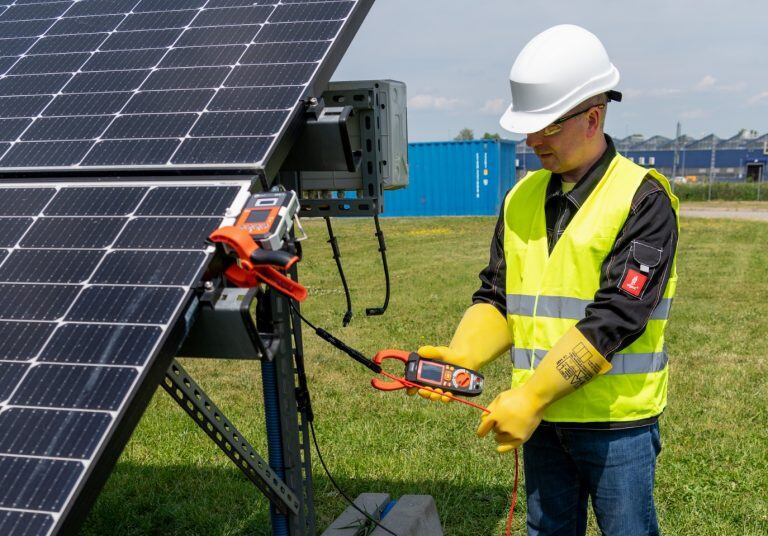
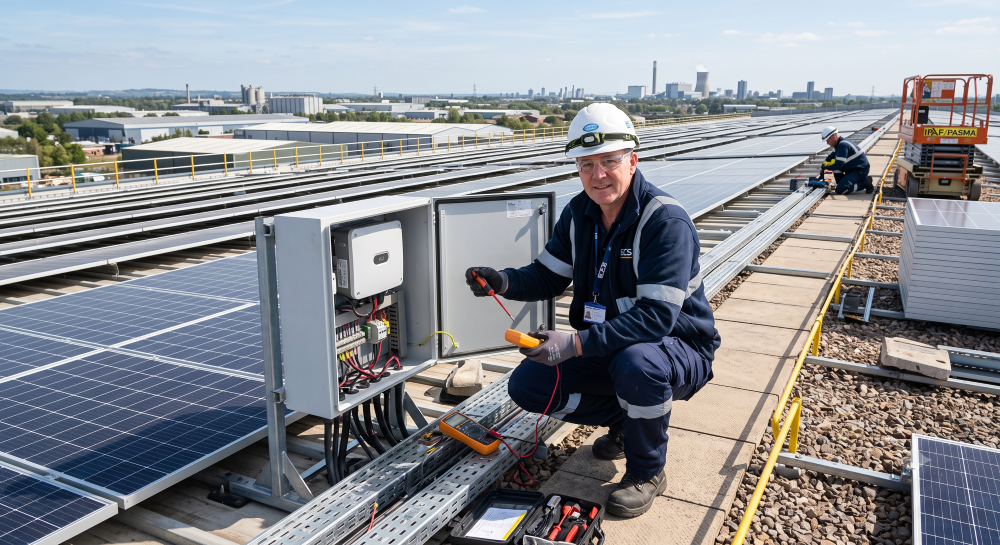
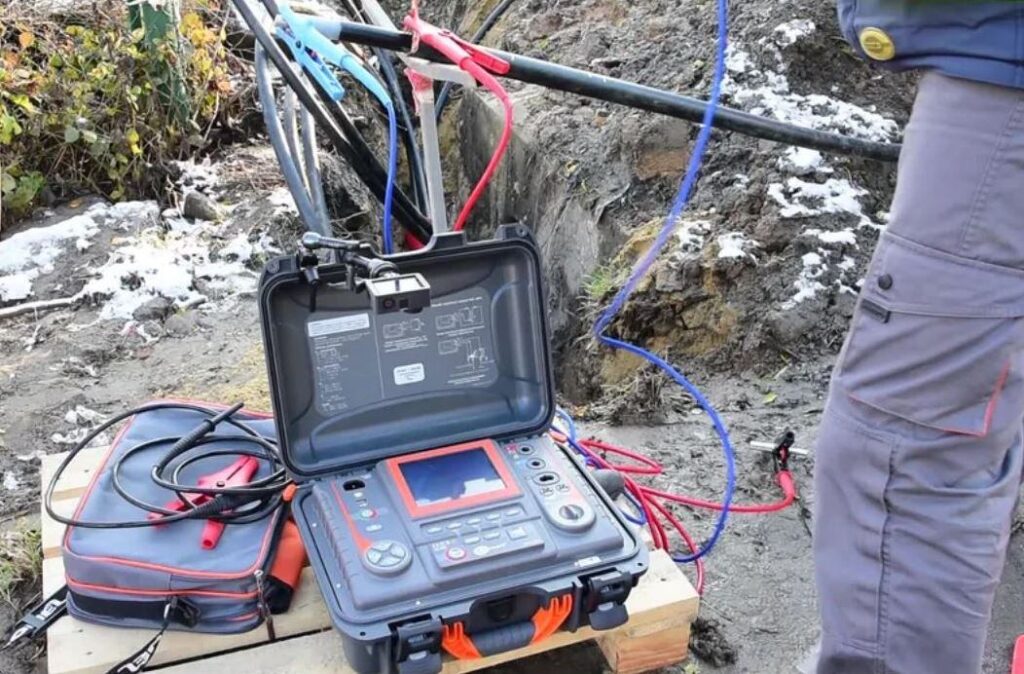
Elektromos autók működéséhez szükséges energiát akkumulátorukban tárolt elektromos energiából nyerik. Az elektromos autók töltése történhet hordozható EV töltővel, fixen telepített váltakozóáramú gyorstöltővel, vagy egyenáramú gyorstöltővel, amik fixen vagy ideiglenes az épület elektromos hálózatáról táplált energiával működnek.
A 40/2017 (XII. 4.) NGM rendelet szabályozza, hogy mely épületeken és berendezéseken, milyen gyakorisággal kell a villamos berendezések állapotát ellenőrizni. A rendelet elsőmellékletének 1.6 pontja és 1.13.2. f pontja alapján bérbeadáskor és tulajdonosváltáskor villamos biztonsági felülvizsgálatot kell végezni, amennyiben nem áll rendelkezésre 6 évnél nem régebbi vizsgálati minősítő irat. A 6 évenkénti felülvizsgálat alól bizonyos esetekben felmentés ad ugyan a rendelet, de tulajdonosváltáskor vagy bérbeadáskor kötelezően el kell végezni a villamos biztonsági felülvizsgálatot! Mindazon által a rendszeres nagyterhelésű használat, a nagyértékű gépjármű és az épületben lévő villamos berendezések védelmének érdekében, a tulajdonosnak érdemes rendszeresen megvizsgáltatni EV töltőjét, és a baleset bekövetkezése előtt megjavíttatani villamos berendezéseit.
A 40/2017 (XII. 4.) NGM rendelet alapján ezt csak érvényes villamos biztonsági felülvizsgálói végzettséggel, és 13-as tűzvédelmi szakvizsgával rendelkező végezheti.
A váltóáramú (AC), valamint az egyenáramú (DC) EV töltők kommunikációt folytatnak a gépjárművel, ezért villamos ellenőrzésükhöz speciális célműszereket használunk. A vizsgálathoz használt műszernek az EN61557 szabványnak megfelelőségi bizonyítvánnyal kell rendelkeznie.
A vizsgálat során vizsgáljuk a töltő kábelt, az berendezés érintésvédelmi és hibavédelmi berendezéseit. A mérés során az esetleges meghibásodások feltárásra kerülnek, a vizsgálat eredményéről hiteles vizsgálati jegyzőkönyv készül, ami bizonyítja a berendezés biztonságosságát.
A vizsgálat a következő lépések elvégzéséből áll:
- a berendezés burkolatának a sértetlenségének vizsgálata,
- kábelek, csatlakozók, kezelő szervek sértetlenségének vizsgálata,
- védővezető folytonosság vizsgálata,
- feszültségszintek mérése,
- földelési ellenállás mérése,
- hurokimpedancia mérések L1-PE, L1-N, L2-PE, L2-N, L3-PE, L3-N,
- túláram védelmi készülékek megfelelőségének vizsgálata.
- B típusú áramvédő (RCB) műszeres vizsgálata,
- túlfeszültség levezető (SPD) vizsgálata
- szigetelési ellenállás mérés minden vezetőn,
- CP és PP vezérlő jelek vizsgálata,
- funkció tesztek,
EV töltőkhöz ajánlott védelmi eszközök
Villámcsapások másodlagos hatásaként a villamos hálózatokon túlfeszültség jelenik meg ami villamos berendezések meghibásodásához vezethet. A keletkezett túlfeszültség a villámcsapás helyétől 2-3km-es körzetben szétterjedhet, és a közelben lévő ingatlanokban megjelenhet. Magyarországon április 30 és október 30 között nagy valószínűséggel keletkeznek villámok, és ezek másodlagos hatásai nagyszámú ingatlant elérnek.
A villamos fogyasztók ki- és bekapcsolásai is túlfeszültséget hoz létre a hálózaton, amik ugyan olyan hatást fejtenek ki, mint a villámcsapások. A szomszédban bekapcsolt villanymotor túlfeszültséget hozhat létre ingatlanban, és meghibásodást okozhat például a DC autótöltőben, vagy az AC töltőről üzemeltetett autóba beépített töltésvezérlőben.
A hálózati túlfeszültségek ellen túlfeszültség levezető (SPD) beszerelésével lehet hatékonyan védekezni. Az SPD-k is rendszeres ellenőrzést és karbantartást igényelnek! Manapság már az EV töltők és napelemes rendszerek (PV) üzemeltetéséhez elengedhetetlen a jól működő túlfeszültség védelem, mert a drága berendezések árával össze sem mérhető az SPD készülékek telepítésének bekerülési ára. A sokmilliós autók, hőszivattyúk, kazánok, PV inverterek, okos otthon rendszerek védelme elengedhetetlen.
Az elektromos autók, a napelemes rendszerek egyenáramú (DC) modulokkal is rendelkeznek. Hiba esetén egyenáram kerülhet a hálózatra, amire a hagyományos AC típusú szivárgó áram védelmi eszközök (RCB) teljesen érzéketlen, míg az A típusú ÁVK csak korlátozott mértékben érzékeny. Napelemes rendszerekhez és elektromos autó töltőkhöz B vagy B+ típusú ÁVK-t (FI relét) kell telepíteni! Amennyiben AC típusú FI relét szereltek fel egy szakszerűtlen kivitelezés során az EV töltőhöz, meghibásodás esetén a berendezést megérintő személy közvetlen életveszélybe kerül, és az AC vagy A típusú ÁVK nem fogja megvédeni az áramütés veszélyeire nem kioktatott személyeket, gyermekeket, házi kedvenceket. Töltőpontonként dedikált B típusú áramvédő kapcsoló használatát a hatályos MSZ HD 60364-7-722 szabvány írja elő, amelytől eltérni csak a biztonság javára lehetséges B+ típus használatával.
Napelemes rendszerek és elektromos autókból megjelenő AC és DC hibaáramok, villamos íveket hozhatnak létre a rossz csatlakozások kontaktusain, a sérült szigeteléseken. Míg a váltakozó áram esetében minden 10ms (mili szekundum) időpillanatban van egy nullátmenete a hálózati feszültségnek, azaz a villamos ív 10ms-enként kioltóik, addig az egyenáramnak nincs nullátmenete, a villamos ív mindaddig fennmarad, amíg a tápenergia el nem fogy, az eszközök le nem égnek. Súlyos tűzvédelmi kockázatot jelentenek az egyenáramú energiatárolók és napelemek az ott élő személyekre és a környezetben lévő vagyontárgyakra. Az ilyen elektromos ívek elleni védelmére az AFFD eszközök telepítése javasolt.
Összefoglalva a következő eszközök megléte, és biztonságos működésének vizsgálata erősen javasolt elektromos autótöltőket tartalmazó épületekben:
- Túlfeszültség védelem (SPD)
- B vagy B+ típusú áram védő kapcsoló (RCB)
- Ívzárlat figyelő védelmi eszköz (AFFD)
Mivel kell előkészülni a vizsgálathoz?
Elektromos autótöltő villamos biztonsági vizsgálatához szükséges elküldeni:
- az épület villamos kapcsolási egyvonalas kapcsolási rajz,
- az előző villamos biztonsági felülvizsgálat jegyzőkönyv,
- a szerelői nyilatkozatot a szabványos telepítéséről,
- a vizsgáltatni kívánt berendezés pontos típusa és CE megfelelőségi dokumentációi,
A vizsgálat során szükség lehet a villamos hálózat feszültségmentesítésére, ezért minden villamos fogyasztót le kell kapcsolni, és le kell választani a hálózatról, így elkerülhető a berendezések ki és bekapcsolások miatti meghibásodása.