Electric vehicles operate using electrical energy stored in their batteries. Charging can be performed via portable EV chargers, permanently installed AC chargers, or DC fast chargers, supplied either permanently or temporarily from the building’s electrical network.
Hungarian Decree 40/2017 (XII. 4.) regulates the inspection frequency and conditions for electrical installations. According to Annex 1, Sections 1.6 and 1.13.2.f, an electrical safety inspection is mandatory in case of property sale or leasing if no qualifying inspection report less than six years old is available. Although exemptions may apply to the six-year periodic inspection requirement in certain cases, inspection is compulsory upon change of ownership or rental.
Due to regular high-load usage, the high value of electric vehicles, and the protection of building electrical installations, periodic inspection of EV chargers is strongly recommended even when not legally required. Under Decree 40/2017 (XII. 4.), inspections may only be performed by a qualified electrical safety inspector holding valid certification and Fire Protection Qualification Level 13.
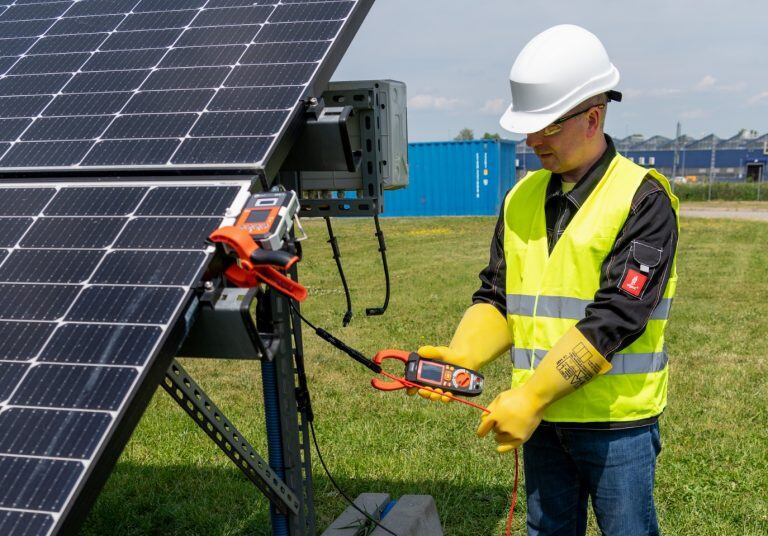
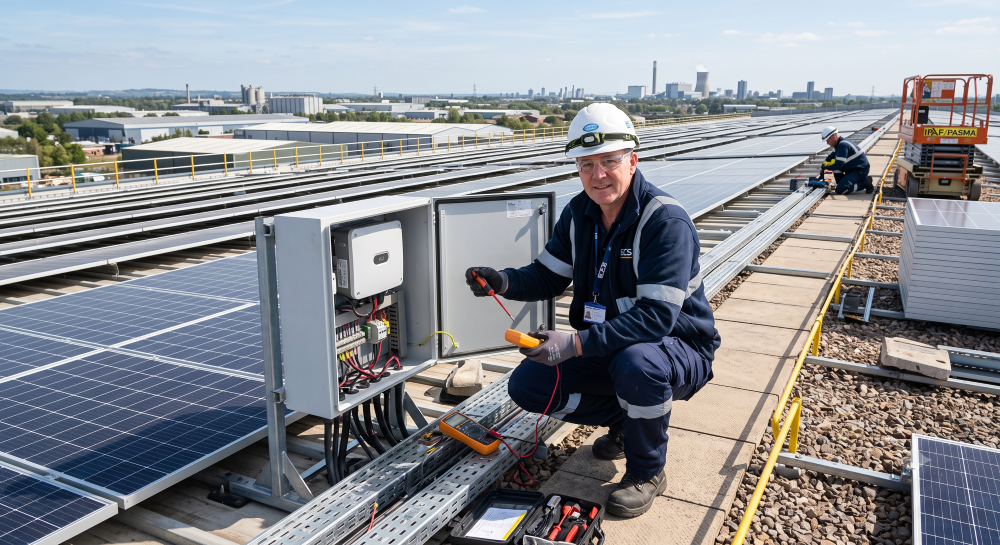
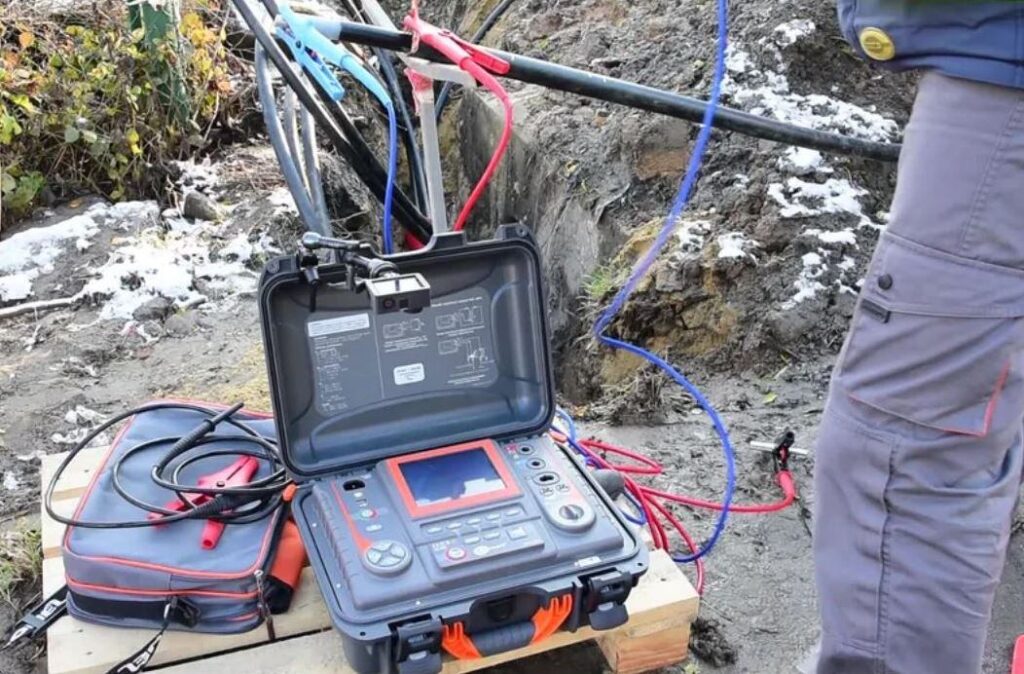
AC and DC EV chargers communicate continuously with the vehicle; therefore, their electrical verification requires specialized test instruments compliant with EN 61557 standards.
During inspection, we examine the charging cable, protective and fault protection systems, and all relevant safety components. Identified defects are documented, and a certified inspection report is issued confirming operational safety.
The inspection includes:
- Examination of the enclosure integrity
- Inspection of cables, connectors, and control components
- Protective conductor continuity measurement
- Voltage level measurement
- Earthing resistance measurement
- Loop impedance measurements (L1-PE, L1-N, L2-PE, L2-N, L3-PE, L3-N)
- Verification of overcurrent protection devices
- Instrumented testing of Type B residual current devices (RCB)
- Surge protection device (SPD) inspection
- Insulation resistance measurement on all conductors
- CP and PP control signal verification
- Functional testing
Recommended Protective Devices for EV Chargers
Lightning strikes may cause secondary overvoltage effects within a 2–3 km radius, potentially damaging nearby electrical systems. In Hungary, lightning activity is most frequent between April 30 and October 30, affecting a significant number of properties annually.
Switching operations within the electrical network can also generate transient overvoltages similar to lightning-induced surges. Even a motor starting in a neighboring building can create overvoltage that damages DC chargers or on-board vehicle charging controllers.
Effective protection against network overvoltages requires installation of surge protection devices (SPD). SPD systems also require periodic inspection and maintenance. Considering the high value of EVs, heat pumps, boilers, PV inverters, and smart home systems, surge protection is essential. Electric vehicles and photovoltaic systems include DC components.
In the event of a fault, DC leakage current may enter the system. Standard AC-type residual current devices are completely insensitive to DC leakage, while Type A RCDs provide only limited sensitivity. Therefore, Type B or B+ RCDs must be installed for EV chargers and PV systems.
If an AC-type RCD has been improperly installed, the equipment may present a direct life-threatening hazard in case of failure. According to MSZ HD 60364-7-722, each charging point must be protected by a dedicated Type B RCD; deviation is only permitted in favor of higher safety using Type B+ devices.
AC and DC fault currents from EV chargers and PV systems may generate electrical arcs at poor connections or damaged insulation. Unlike AC, which has a zero-crossing every 10 milliseconds allowing arc extinction, DC has no zero-crossing — meaning the arc persists until energy is depleted, potentially causing fire. DC energy storage systems therefore present significant fire risks.
- Surge Protective Devices (SPD)
- Type B or Type B+ residual current device (RCD)
- Arc fault detection device (AFDD)
Preparation for Inspection
For an EV charger electrical safety inspection, the following documentation is required:
- Single-line electrical diagram of the building
- Previous electrical safety inspection report
- Installer’s declaration of compliant installation
- Exact equipment type and CE conformity documentation
During the inspection, it may be necessary to de-energize the electrical network; therefore, all electrical appliances must be switched off and disconnected from the mains to prevent equipment damage caused by power cycling.