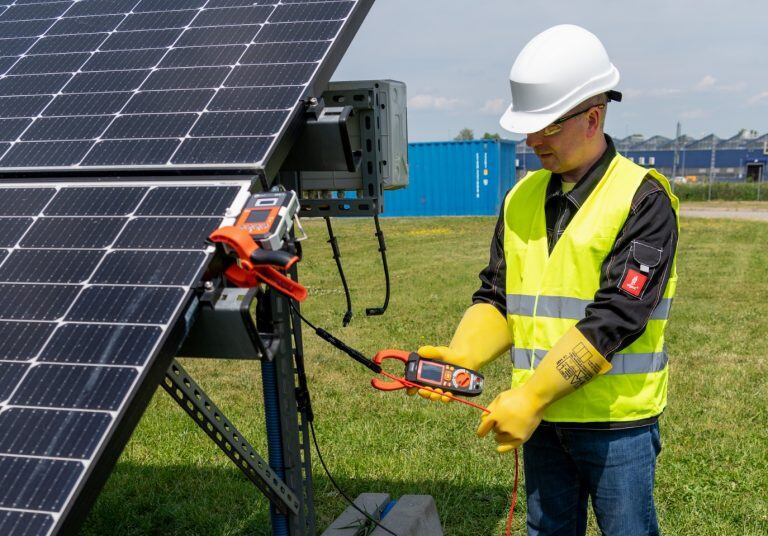
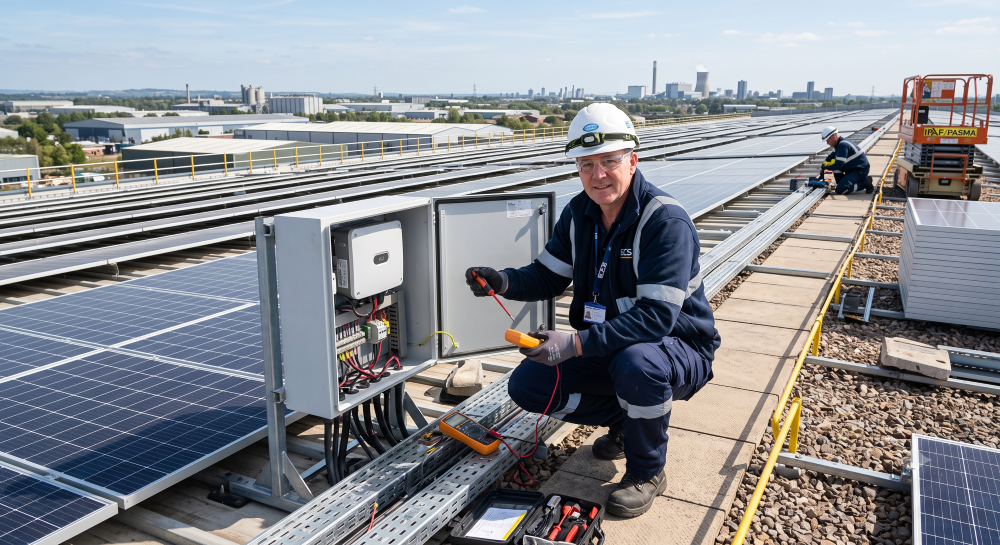
The reliability of photovoltaic systems does not only depend on the quality of the panels or the efficiency of the inverter. One of the most critical, yet often underestimated elements of performance and operational safety is the condition of the connections – especially concerning MC4 connectors. These points bear the entire string current, and any degradation or faulty contact can cause significant performance losses, or even a fire hazard.
There are two prevalent methods for assessing the condition of contacts: thermal imaging inspection and micro-ohm resistance measurement. While both are useful, micro-ohm testing is clearly a more accurate, objective, and reliable diagnostic tool.
The Limitations of Thermal Imaging Inspection – Why Isn't It Enough on Its Own?
Thermal camera inspection is undoubtedly fast and visually straightforward, but it is limited in several ways:
- It only works under load: If the system is not currently generating power (cloudy weather, low irradiance, winter months), thermal imaging is practically useless.
- Highly dependent on ambient temperature: Faults appear slower on the thermal image in cold conditions and faster in the heat. This results in a subjective evaluation.
- It only shows already established faults: A discrepancy is only visible with a thermal camera if the contact has deteriorated to the point where it causes significant heat generation. Early, invisible faults remain hidden.
- It does not provide quantitative results: Based on the thermal image alone, it is impossible to determine exactly how much the contact resistance has increased.
Thermal imaging inspection is therefore more of a "symptomatic diagnostic" tool rather than a precise instrumental condition assessment.
The Advantages of Instrumental Measurement – Objective, Accurate, Independent of Conditions, Simulates True Load Conditions
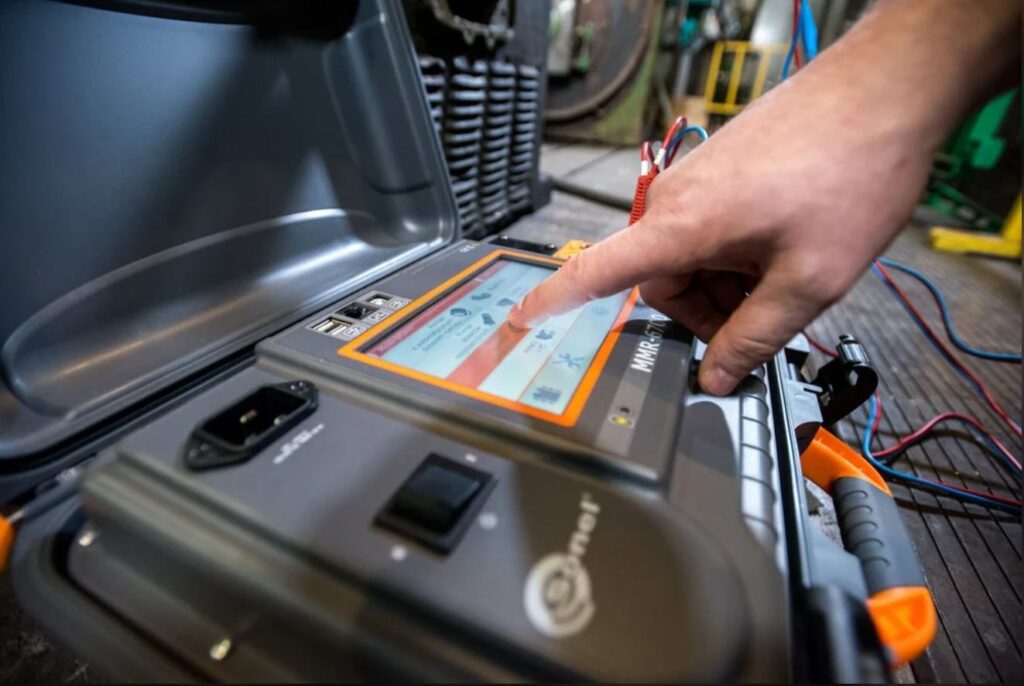
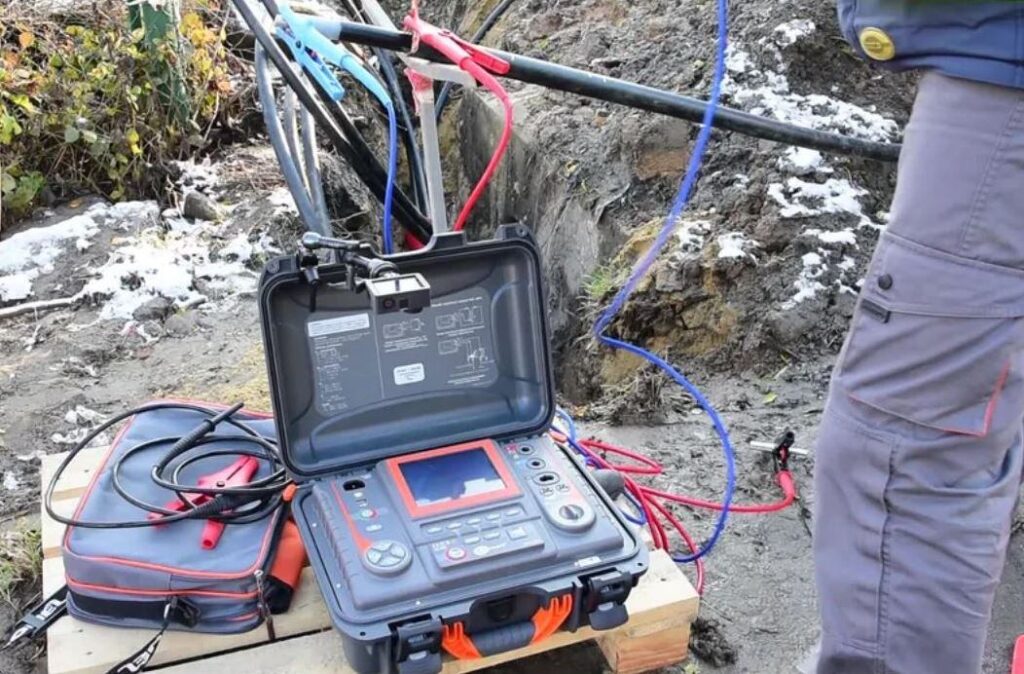
Resistance testing in the micro-ohm range utilizes a high-current measurement procedure that simulates real load conditions. This provides several key advantages:
1. Objective Results Independent of Ambient Temperature
The measurement does not depend on sunlight, outside temperature, or the system's momentary production. The condition of the contact can be determined at any time, even at night.
2. Simulating Real Load Conditions
The micro-ohm range resistance measuring device passes a high current through the connection, ensuring it receives exactly the load that the electrical device or PV string produces during normal operation.
This method reveals:
- loose contacts
- corrosion
- contamination
- manufacturing defects
- improper crimping
3. Early Fault Detection – Even Before Heat Generation Occurs
Contact resistance increases well before anything is visible with a thermal camera. Therefore, micro-ohm measurement is a preventative maintenance tool, not just a troubleshooting method.
4. Quantitative, Documentable Results
The measurement provides an exact value in micro-ohm resolution. This is:
- comparable
- trendable
- usable for warranty administration
- auditable
5. Especially Critical for MC4 Connectors
MC4 connectors are the most common source of error in PV systems. Improper crimping or poor-quality aftermarket connectors can drastically increase contact resistance, which can cause:
- performance loss
- hotspots
- fire hazards
Micro-ohm measurement is the only method by which these faults can be detected early and reliably.
Summary: Continuity Measurement is the "Seatbelt" of PV Systems
The condition of contacts is critical for the long-term operational safety and efficiency of solar systems. Thermal camera inspection is useful, but limited and subjective. In contrast, micro-ohm meter testing is:
- objective
- accurate
- independent of environmental impacts
- capable of detecting early faults
- documentable
- simulates high-current loads
Therefore, it is an indispensable tool in the maintenance and quality control of PV systems, especially in the case of MC4 connectors.